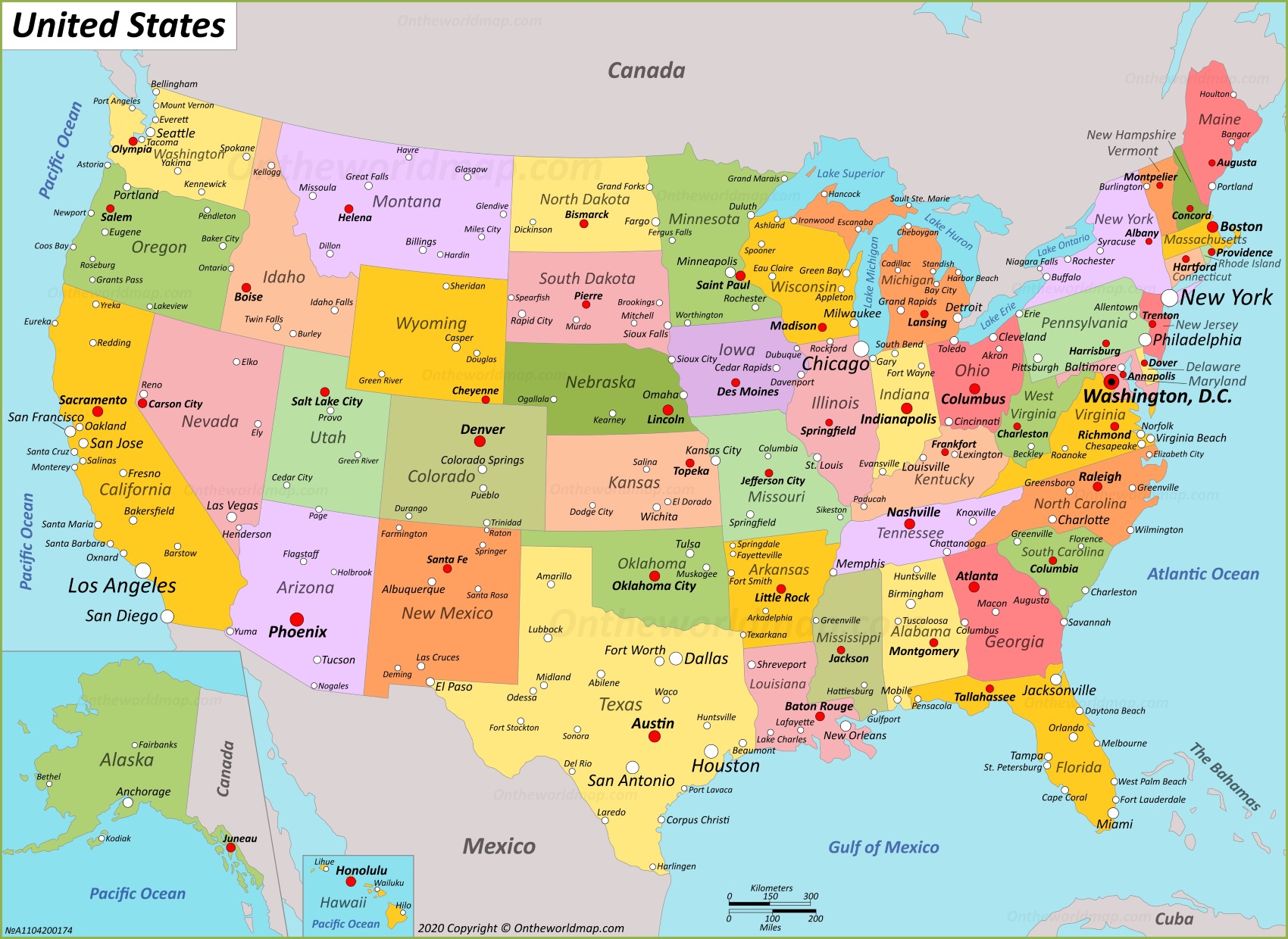
People often wonder, Where are the major cities located on a US map? Understanding the geography of Americas key urban centers is really helpful for travel planning, business insights, or even just expanding your general knowledge. This guide provides an easy-to-navigate overview, pinpointing important metropolises across the United States. We will explore how different regions host diverse urban landscapes, from bustling coastal hubs to significant inland economic engines. Knowing these locations helps contextualize current events and understand demographic shifts. This information is perfect for students, travelers, or anyone curious about the sprawling urban tapestry of the US. Get ready to enhance your geographical literacy about major US cities today.
Latest Most Asked Forum Discuss Info about Major Cities US Map
Hey everyone, curious about the major cities on the US map? This is your ultimate living FAQ, updated for the latest trends and insights. I know it can be a bit overwhelming with so many cities, but don't worry, we're covering everything from coastal giants to heartland hubs. We're breaking down common questions to give you a clear, concise understanding. Dive in to get all your navigational and informational queries resolved efficiently.
Understanding Major US Urban Centers
What are considered major cities in the US?
Generally, major cities in the US are defined by their substantial population, economic influence, cultural significance, and infrastructure. Think of places like New York City, Los Angeles, Chicago, Houston, and Miami. These urban centers serve as critical hubs for commerce, transportation, and innovation within their respective regions and nationally. They often appear prominently on any detailed US map, indicating their importance.
How do I identify major cities on a map quickly?
To identify major cities quickly on a map, look for larger font sizes or distinct symbols used to represent them. They often have major highways converging or are located along significant waterways or coastlines. Many maps use population as a primary criterion for visual prominence, making larger urban areas more noticeable at a glance. You'll typically find an index to help navigate, too.
Exploring Key Regional Cities
Which major US cities are on the East Coast?
The East Coast boasts numerous major cities including New York City, Boston, Washington D.C., Philadelphia, and Miami. These cities are rich in history, economic power, and cultural diversity. They're often key ports and financial centers, each contributing uniquely to the fabric of the United States. Mapping these locations reveals a dense network of influential urban environments.
What are the biggest cities in the Midwest?
In the Midwest, key major cities include Chicago, Detroit, Minneapolis, and St. Louis. These urban centers are vital for manufacturing, agriculture, and transportation. Chicago, in particular, stands out as a global city with a massive metropolitan area, acting as a central hub for the entire region. They represent the heartland's economic and cultural backbone. You'll definitely want to note these on your US map for future reference.
Mapping Tools and Techniques
Where are the major cities located in the Western US?
The Western US features significant urban centers such as Los Angeles, San Francisco, Seattle, and Denver. These cities are known for their innovation in technology, entertainment, and their proximity to stunning natural landscapes. They attract diverse populations and play a crucial role in the global economy. Mapping them shows their concentration along the Pacific coast and in strategic mountain regions, like Denver.
What is the easiest way to map a route between major US cities?
The easiest way to map a route between major US cities is by using online tools like Google Maps, Apple Maps, or Waze. Simply enter your start and end points, and these platforms will provide optimized routes, estimated travel times, and even real-time traffic updates. They are incredibly helpful for navigation, allowing you to easily plan your journey across the country. Plus, you can often add multiple stops easily.
Historical Context of US Cities
Can I find historical major US city maps online?
Yes, you can absolutely find historical major US city maps online through various digital archives and library collections. Websites like the Library of Congress, university digital collections, and specialized historical map sites offer extensive resources. These maps provide fascinating insights into urban development and geographical changes over time. They are great for research or simply exploring the past, showing how cities evolved. Related search often points to specific state archives for more detail.
Still have questions about finding major cities on a US map? What's the fastest-growing major city in the US right now? (Answer: Cities like Phoenix, Arizona, and Austin, Texas, are currently experiencing some of the most rapid growth among major US urban centers, attracting new residents and businesses.)
Okay, so you're probably asking yourself, "How do I easily locate the major cities on a US map, and what makes them so important?" Honestly, it's a super common question. Understanding where America's biggest urban centers sit can totally change how you see the country. I mean, think about it: from planning your next road trip to just grasping current events, knowing these spots is really helpful. We're going to dive into how these cities truly define their regions and why they matter so much.
Exploring the US Urban Landscape: More Than Just Dots on a Map
The United States is an absolutely massive country, and its major cities are spread out in fascinating ways. You've got these huge population centers that act as economic engines and cultural melting pots. But honestly, what defines a "major" city on a map can often vary. It really depends on who you ask. We're generally talking about places with significant populations. These cities also have influential economies and famous landmarks.
And honestly, you'll see some cities are obviously major. Think New York or Los Angeles. Others are vital regional hubs, though. It's not just about their sheer size; their overall impact really matters too. You see, the map tells a story of development and settlement over centuries. Each city has its own unique vibe and truly contributes to the national narrative. That's pretty cool, honestly.
These urban areas aren't just points for navigation; they are vibrant centers of life. They attract people from all over the world, creating a rich tapestry of cultures and ideas. This diversity fuels innovation, art, and incredible culinary scenes. Understanding their locations and characteristics helps you grasp the intricate connections across the nation. It's truly fascinating when you consider each city's unique contribution.
East Coast Giants and Their Enduring Influence
When you look at the East Coast, it's packed with history and powerhouse cities. New York City, obviously, is a global financial and cultural capital. But don't forget Boston, with its revolutionary past, or Washington D.C., the nation's political heart. These cities have incredible historical significance. They continue to drive innovation and policy for the entire nation. It's truly amazing how much history is concentrated there.
- New York City: A global center for finance, fashion, and arts, truly an iconic urban experience. It's often seen as the world's most influential city.
- Washington D.C.: The capital of the United States, central to government and international relations. Its monuments tell America's story.
- Boston: Rich in American history, home to world-renowned universities and a vibrant intellectual scene. The Freedom Trail offers historical insights.
- Philadelphia: Known for its historical importance, where the Declaration of Independence was signed. It blends historic charm with modern urban life.
- Atlanta: A major transportation hub, a business center, and a cultural leader in the South. Hartsfield-Jackson Airport is one of the busiest.
And then you've got cities like Miami down south, a vibrant multicultural hub. Its strong ties to Latin America make it incredibly unique. It's a key port city, and its sunny beaches attract tons of tourists annually. The architectural style there is just something else. It definitely stands out on any US map, offering a completely different coastal experience. Its energy is truly palpable.
Further north, Baltimore, Maryland, is another historically significant port city. It boasts a beautiful Inner Harbor and rich maritime heritage. This city has undergone significant revitalization efforts over the years. It's a key transportation and economic player in the Mid-Atlantic region. Many people overlook its charm, but it's worth a visit. It plays a crucial role in regional commerce.
Midwest Metropolises and Heartland Hubs: America's Core
Moving inland, the Midwest has its own set of incredibly important urban centers. Chicago, Illinois, is often called the "Windy City" and it's a massive hub for transportation and business. It boasts stunning architecture and a killer food scene. Honestly, it's much more than just a stopover for flights. It's a cultural giant in its own right, impacting music, art, and innovation. Many people find its straightforward charm quite appealing.
- Chicago: A major center for commerce, culture, and innovation, famous for its deep dish pizza. Its public art installations are world-class.
- Detroit: Historically the heart of the American automotive industry, now undergoing a significant resurgence. A hub for music and creative arts.
- Minneapolis: A strong economic center known for its parks, lakes, and cultural institutions. It's home to a thriving arts community and innovative businesses.
- St. Louis: Gateway to the West, offering historical significance and a revitalized urban core. The Gateway Arch is an iconic national landmark.
- Cleveland: A revitalized industrial city with a strong medical sector and a thriving arts scene. Home of the Rock and Roll Hall of Fame.
You know, places like Detroit, Michigan, have such an interesting story of industrial might and renewal. It's amazing to see how they're transforming. These cities truly represent the backbone of American industry. They played a pivotal role in shaping the nation's economy. And frankly, their resilience is something to admire, a real testament to American spirit. Plus, the music scene has always been legendary there, too. You can feel the history in every street.
And think about cities like Milwaukee, Wisconsin, often known for its brewing heritage. It's another significant Midwest city with a vibrant lakefront. It offers a unique blend of industrial strength and cultural attractions. These cities are truly vital to understanding the full picture of the US economy. They often get less media attention but their contributions are immense. It's a very practical and hardworking part of the country.
The Dynamic West Coast and Mountain Region: Innovation and Nature
Heading out West, the urban landscape changes dramatically. Los Angeles, California, is synonymous with Hollywood and a sprawling metropolitan area. It's a huge economic and cultural powerhouse. San Francisco, with its iconic Golden Gate Bridge, is a tech innovation hub. These cities are driving global trends in entertainment and technology. The sheer scale of development out West is truly astounding. It's a different kind of energy, you know?
- Los Angeles: The entertainment capital of the world, a vast and diverse urban sprawl. Its film industry has global reach.
- San Francisco: A global leader in technology and innovation, known for its unique landmarks. It boasts a unique counter-culture history.
- Seattle: Home to major tech companies, famous for its coffee culture and beautiful natural surroundings. Mount Rainier is visible on clear days.
- Portland: Known for its vibrant arts scene, craft breweries, and quirky independent spirit. It consistently ranks high for livability.
- Denver: The "Mile High City" serving as an economic hub for the Rocky Mountain region. It offers incredible access to outdoor adventures.
And let's not forget cities like Denver, Colorado, which acts as a gateway to the Rockies. It's growing rapidly, combining outdoor adventure with urban sophistication. This city is a fantastic example of a major city that thrives on both tourism and a growing tech sector. Plus, the mountain views are simply breathtaking. Honestly, I've tried skiing near Denver myself, and it's an incredible experience. The quality of life there attracts many new residents.
Further north, Salt Lake City, Utah, is another important hub in the Mountain West. It serves as a regional economic and cultural center. It's known for its stunning natural beauty and outdoor recreation opportunities. This city is experiencing significant growth, too. It’s definitely a key point on any comprehensive US map of major cities. Its unique history makes it stand out.
Southern Sprawls and Sunbelt Surges: Growth and Opportunity
The South and Sunbelt regions are seeing huge growth, with cities expanding at an incredible pace. Houston, Texas, is a massive energy industry center and a diverse metropolitan area. Atlanta, Georgia, is a major transportation hub and a cultural capital of the South. These cities are attracting new residents and businesses. Their economies are booming, showing impressive growth figures. It's a really exciting time for these southern powerhouses. The pace of development is just mind-blowing. Honestly, you can see the difference year over year.
- Houston: A global energy capital with a strong aerospace industry and diverse population. The Johnson Space Center is a major draw.
- Atlanta: A key transportation hub, a major business center, and a cultural leader in the South. Its music scene is globally recognized.
- Dallas: Known for its booming finance and tech sectors, with a dynamic arts scene. It's a major hub for business operations.
- Phoenix: A rapidly growing desert metropolis, attracting new residents with its warm climate. Its stunning desert landscapes are unique.
- Austin: A vibrant tech and music hub known for its "Keep Austin Weird" culture. It's consistently ranked as a top city for relocation.
Dallas, Texas, is another big player, especially in finance and technology. And Phoenix, Arizona, is just exploding with growth, attracting people with its sunny weather. You see, these areas are becoming increasingly important on the US map. They offer new opportunities and a different pace of life. It's interesting how they blend traditional southern charm with modern urban development. Plus, honestly, the food scenes in these cities are incredible. You've got to try the BBQ in Texas!
And let's not overlook places like Nashville, Tennessee, the heart of country music. It's a cultural icon and a rapidly growing city. Charlotte, North Carolina, is a major banking hub in the Southeast. These cities showcase the diverse economic engines of the South. They also offer a rich cultural tapestry. The growth here is definitely a significant trend worth tracking. It’s pretty clear these cities are on the rise.
So, understanding where these major cities are on a US map really gives you a better grasp of the country's dynamics. From the historical East to the innovative West, and the booming South, each city plays a crucial role. I hope this overview helps you connect the dots, literally, across the nation. What exactly are you trying to achieve by looking at these maps? Planning a trip, maybe? Or just satisfying your curiosity? Either way, it's a great topic to explore!
Key highlights about major cities US map include understanding population distribution, identifying economic centers, planning travel routes effectively, recognizing cultural hubs, and grasping the vast geographical diversity across the United States.


Us Map With Major Cities Mapsof Net Us Map With Major Cities . USA Capital And Major Cities Map Detailed City Maps Usa Major Cities Map . USA Map With Cities Map Of US With Major Cities United States Map With Major Cities . US Maps With Major Cities . Us Map Major Cities Printable Printable Usa Map With Major Cities 46111


Maps Us Map With Major Cities Usa Map Major Cities Rev Enchanted Learning . United States Map With Major Cities Interactive USA Map Us Map Usa . United States Map World Atlas Us Major Cities Map . Political Map Of The United States Colorful Usa States Map Cities . Printable Map Of Us With Major Cities Printable US Maps Maps Of The United States Printable Map Of Us With Major Cities


US Cities Map US Major Cities Map USA Map With States And Cities Us Cities Map . Major Cities Us Map Us Cities Map . High Detailed United States Of America Road Map High Detailed United States Of America Road Map . Melania Trumps Roots A Journey Across The Globe Largest US City By Population . The Most Important Cities In The United States Map U.S. Global Major Cities



United States Map With Major Cities Printable USA XX 352047 C6780ff8 14d3 455d A308 . US Map With Cities Printable USA Cities Map Labeled US Interstate Us Map . Biggest Cities In USA US Cities By Population Most Populated Cities In US Biggest Cities In Usa Map . List Of The Largest U S Cities By Population Estimate Census New Largest US City By Population . World Cup 2026 Cities Map Free PowerPoint Template 2026 World Cup Cities 1 768x432


Printable Map Of Us With Major Cities Printable US Maps Printable United States Map With Cities Best Printable Us Map With Printable Map Of Us With Major Cities . Interactive Map Year 2026 R . United States Largest Cities Map HD Png Download Vhv 604 6047999 United States Largest Cities Map Hd Png Download . United States Major Cities Map Classroom Reference Art Print Poster S L1600 . Navigating The Nation Your Major US Cities Map Guide



Cities In Usa Map 50 Largest American Cities By Population By D P 2 Daye8m8 . More Than 75 Of Homes Across The U S Are Study Finds Full . Animated Map Venues For The 2026 World Cup. Electoral Vote Com 2026 Map . Where Is The 2026 World Cup Cities List Worldcup Eng



Google Slides Physical Maps By MandM Creations TPT Large Physical Map Of The United States With Roads And Major Cities . Experience The 2026 World Cup In An RV Road Trip Guide Map Of 2026 World Cup Locations 768x609 . World Cup 2026 Travel Packages For England Scotland Fans Map.webp. US Map With Major Cities Your Free Printable Guide USA States Capital And Main Cities Map . U S Major Cities U.S. Major Cities